Chapter 1
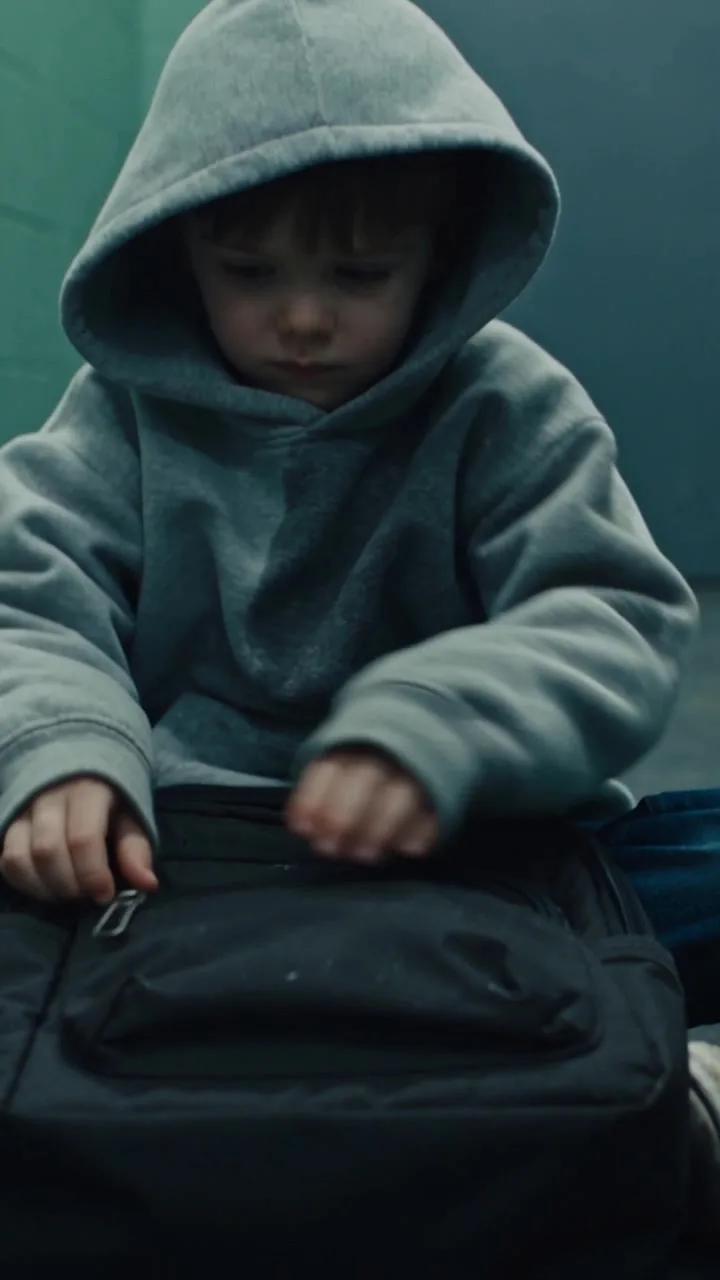
The cup came in from the right, hard and flat, like somebody had practiced the throw. It hit Amos Reeder’s left shoulder and burst. Soda, ice, lid, all of it sprayed across the gray rubber matting and skidded toward my boots.
Junie’s hand tightened in mine.
“Nice shot, Reeder,” a voice called from the concession side. Laughter followed, wet and young and stupid.
The boy didn’t flinch. Didn’t wipe his face. Didn’t stand. He sat on the wooden bench under the trophy case with his hands in his lap, soda dripping off his jaw, and stared at the tile like he was waiting for the room to get bored.
I know that stillness. I’ve seen it in kids who’ve been through placements, in patients who learned early that reacting costs more than bleeding.
“Stay here,” I told Junie, and let go of her hand.
I crossed twelve feet of matting. My right ankle ached from the cold. I dropped to one knee in front of him. Up close he was small for nine, sharp-shouldered, with a scab on his chin and sandy hair pushed back damp from the drinking fountain.
“Hey. Look at me. Nothing’s broken, right?”
He looked at me. Wide-set dark eyes. Closed face. Polite in a way that made my chest hurt.
“You gonna clean that up, Reeder?” the same voice called.
I turned my head just enough. “Walk away.”
The laughter stopped. Somewhere behind me, skates scraped the far rink. The Zamboni hummed. Nobody else moved.
Amos pulled his left sleeve down over his wrist. There was nothing there. No bracelet, no bandage. Just the habit.
Then he reached for the black backpack on the bench beside him. The right zipper pull was broken. He worked the front pocket left to right, frowning when it stuck, and gave it one sharp tug.
The pocket opened.
A laminated card slid out face-down and landed in the wet.
I picked it up with two fingers before I thought about it. I turned it over.
Two inked infant footprints. Brayton Harbor Mercy. A date. 3:41 a.m. A five-digit case number along the edge. On the back, in my mother’s blue ballpoint: DO NOT LOSE.
My training went first. Report and go. Secure the scene. Do not become the scene.
Then the rest of me caught up.
I took out my wallet. The leather was worn soft at the corners. I opened the billfold and slid out the card I had carried for nine years. Same card stock. Same footprints. Same date. Same 3:41 a.m. Same nurse’s initials, M.K.
I laid my card on the tile beside his.
Amos looked down at them. Then up at me. He didn’t ask why a stranger had a twin of the thing in his backpack. He just waited, like he’d learned that adults explained things only when they wanted something.
I did not tell him who I was. I couldn’t. My tongue had gone thick. My thumb covered the case number on his card.
“What’s your name?” Junie asked from behind me. She had followed, of course.
Amos didn’t answer.
I turned the card over again, careful. The handwriting on the back was my mother’s. Not similar. Hers. The way she made the O in DO with a little hook, the way she pressed too hard on the L. I photographed both cards with my phone. I made myself hand his back.
He put it in the front pocket and zipped it with the broken pull.
“Thank you,” he said. Twice. Once for the napkin I hadn’t given him, once for nothing I could name.
I stood. The paper tag on the custodial closet door was taped under a schedule. LATTIMORE, it said, in black marker. The name hit me like a second cup.
Fern Lattimore. My aunt. The one my mother said moved to Florida nine years ago.
“Mama?” Junie said. “Why are you crying?”
I wiped my face with the back of my wrist. “Smoke in here.”
She looked at the soda on the floor. She was seven. She knew a lie when she heard one. But she took my hand.
I walked her out to the truck. I buckled her in. I started the engine and sat with my hands on the wheel until the defroster cleared a hole in the windshield.
Then I drove past our street, past the turn for home, and kept going until I hit the west entrance of Brayton Harbor Mercy.
The records window was open until eight. I had three hours.